




|
|
Victoriana Nursery Gardens are a very competitive supplier - |
|
Apples One of t Most apples require pollen from another variety of apple tree (or crab apple tree) in order for pollination to take place. Both varieties of apple need to flower at the same time. Apples are divided into pollination groups and so varieties must be chosen from the same group. Apples can be grown as free standing trees or can be trained. Trained apples take more time to care for and require that you have some pruning expertise. Apples trees are grafted onto different rootstocks so choice of rootstock is dependent on how large you wish your tree to grow. This will not only depend on the space available but you also need to consider ease of harvesting. Grafted fruit trees will fruit earlier than trees grown on their own roots would. Rootstocks are:
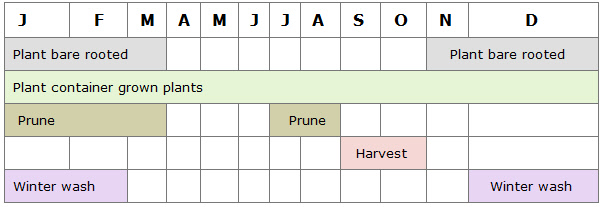
M27 and M9 rootstocks come to harvest quicker. It would be advisable to plant with the younger children so that they can literally see the fruits of their planting. Harvest September and October. Recommendations from Victoriana Nursery Gardens Root stock MM106 or M26 which would give enough vigour to actually produce a decent crop but similarly controllable with the minimum of pruning. This rootstock would enable trees to be kept at 1.8m - Some varieties claim to be self fertile but in order to try to ensure pollination it is better to grow trees that will pollinate one another. According to Victoriana all of the varieties listed below will pollinate one another. Grow at least two varieties. Possible varieties - Discovery (September), Ellisons Orange (September/October), James Grieve (September/October), Sunset (September/October), Winter Banana All available from Victoriana Nursery Gardens. NB: 10% discount when ordering from this link this is automatically generated (20% discount if ordering plants or seeds for a school to claim, simply enter SCHOOLD20 on the discount code page)
NB: Only use winter wash when everything is completely dormant – don’t use after February. Click here for more information on reducing pest damage. |
|
Pears
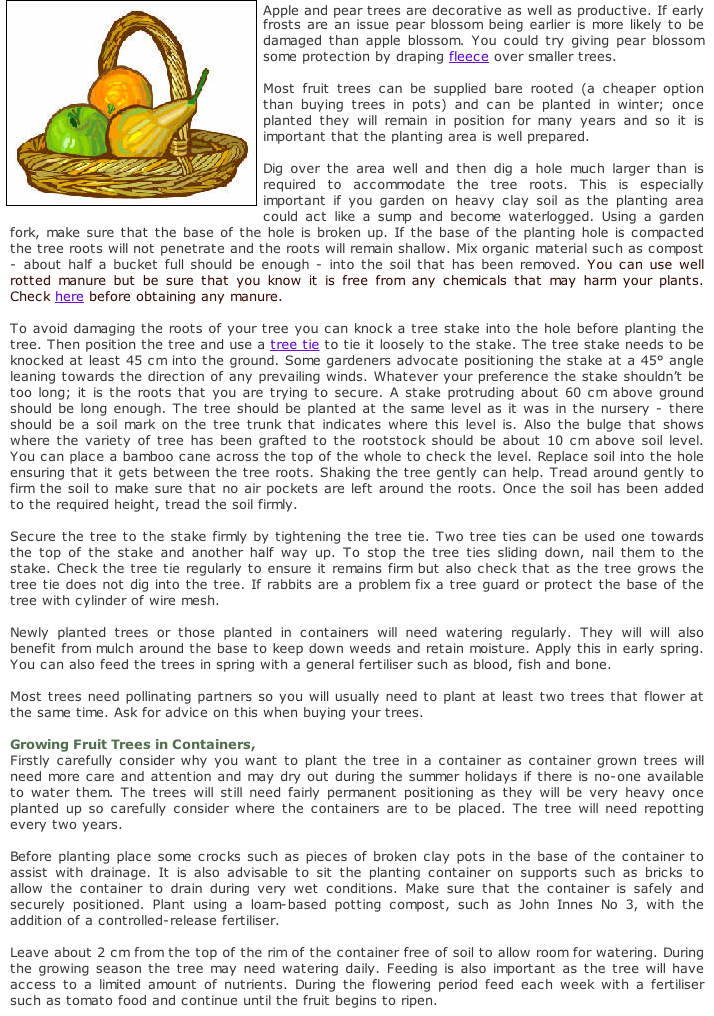
Most pears also require pollen from another variety of pear tree in order for pollination to take place. The variety Conference is the exception. Both varieties of pear need to flower at the same time. Pears are divided into pollination groups and so varieties must be chosen from the same group. Pears can be grown as free standing trees or can be trained. Trained pears take more time to care for and require that you have some pruning expertise. Pear trees are also grafted onto different rootstocks. Rootstocks are:
It would be advisable to plant with the younger children so that they can literally see the fruits of their planting. Pears are harvested before they are fully ripe and stored until they begin to soften. They are then ready for eating. They do quickly rot so should be checked regularly. Harvest September and October. Recommendations from Victoriana Nursery Gardens Root stock Quince A or Quince C which would give enough vigour to actually produce a decent crop but similarly controllable with the minimum of pruning. This rootstock would enable trees to be kept at 1.8m - Possible varieties Conference (use October/November), Doyenne du Comice (use November/December), Williams Bon Chretien (use September onwards) Possible varieties Conference (use October/November), Doyenne du Comice (use November/December), Williams Bon Chretien (use September onwards) All available from Victoriana Nursery Gardens. NB: 10% discount when ordering from this link this is automatically generated (20% discount if ordering plants or seeds for a school to claim, simply enter SCHOOLD20 on the discount code page)
NB: Only use winter wash when everything is completely dormant – don’t use after February. Click here for more information on reducing pest damage. |
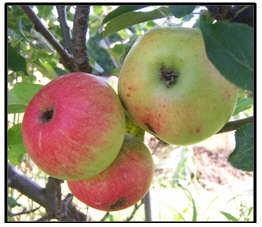 he easiest fruit trees to grow.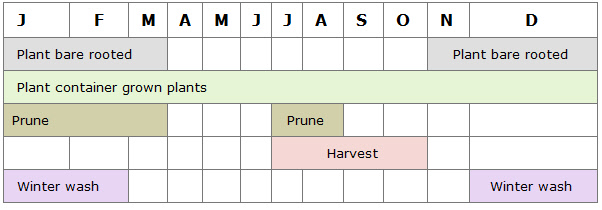
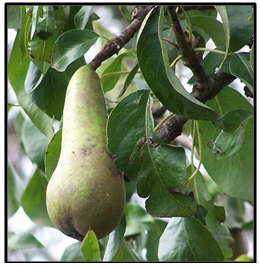 Along with apples one of the easiest fruit trees to grow although they generally need more sunshine and shelter from cold winds. Pears are more sensitive to frost as their blossom opens earlier than that of apples.